Things to do in Seoul
The best things to do in Seoul, from our ranking of the places foreign travellers visit most: 27 top sights, 30 neighbourhoods worth a day, what is on this month and how to plan your days.
Top places in Seoul
Myeongdong
#1 · 명동 · Jung-gu, central Seoul

Myeongdong is a dense shopping district around the Line 4 Myeongdong station, with department stores, brand shops, and cheap fashion boutiques lining the main street and side alleys. Visitors come to shop for clothing, shoes, and accessories, and to eat at the many Korean, Western, and Japanese restaurants and street food stalls nearby.
Gyeongbokgung Palace
#2 · 경복궁 · Jongno-gu, central Seoul

Gyeongbokgung, built in 1395, was the main royal palace of the Joseon dynasty and still shows the scale of that era. Visitors come to see Geunjeongjeon, the throne hall, and the changing-of-the-guard ceremony at Gwanghwamun gate.
Hongdae
#3 · 홍대 · Seogyo-dong, Mapo-gu, western Seoul
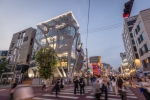
Hongdae, around Hongik University, is known for indie fashion, design shops, bookstores, cafes and street performances. Visitors go to browse boutiques, watch buskers, see the wall-art alley and enjoy the club streets at night, with Yeonnam-dong nearby for more cafes and restaurants.
N Seoul Tower (Namsan)
#4 · N서울타워 · Yongsan-gu, central Seoul
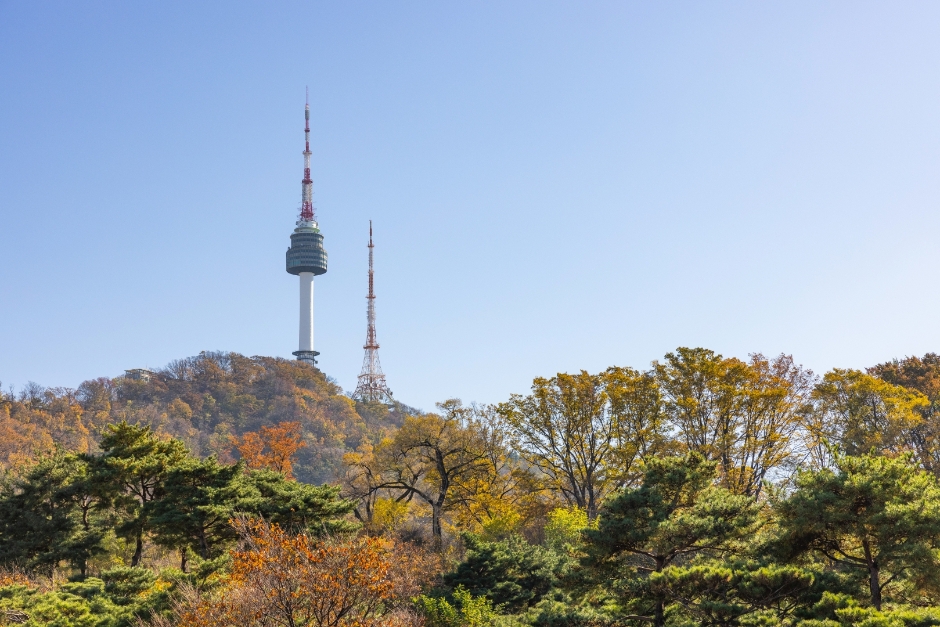
N Seoul Tower, on Namsan mountain, is a broadcast tower with an observation deck and has been one of Seoul's main landmarks for over 40 years. Many visitors go up for city views at sunset and to see the love-lock fences around the base.
Dongdaemun Design Plaza (DDP)
#5 · 동대문디자인플라자 · Dongdaemun, central Seoul

Dongdaemun Design Plaza is a curved, futuristic building designed by Zaha Hadid that hosts exhibitions, fashion shows, product launches and conferences. Visitors explore the design museum, the design market and the outdoor plaza, and the building is especially striking when lit at night.
Bukchon Hanok Village
#6 · 북촌한옥마을 · Jongno-gu, central Seoul

A residential district of traditional hanok houses between Gyeongbokgung and Changdeokgung palaces, largely built in the 1930s and often called a street museum. Visitors stroll its narrow lanes and viewpoints, and should keep noise low out of respect, since many residents live here.
Insadong
#7 · 인사동 · Jongno-gu, central Seoul

A traditional district of narrow alleys packed with art galleries, antique and craft shops, tea houses and Korean restaurants. Visitors come to wander slowly through the lanes, and on weekends when the main street is closed to traffic, to see street performances and crafts.
Lotte World Adventure
#8 · 롯데월드 어드벤처 · Songpa-gu, southeast Seoul

Lotte World Adventure is an urban theme park with an indoor section, an outdoor area called Magic Island beside Seokchon Lake, and a nearby mall and folk museum. It offers rides, parades, laser shows and stage performances. Visitors go for a full day of rides and shows, and the Folk Museum gives a quick look at Korean history and everyday life.
Seongsu-dong
#9 · 성수동 · Seongdong-gu, eastern Seoul
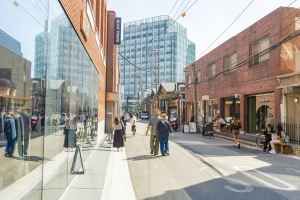
Seongsu-dong is a former factory district of workshops and shoemakers that has become a hub of cafes, select shops and cultural spaces. Daelim Warehouse, a converted red-brick warehouse, sparked the trend, and visitors wander the side streets to find new cafes, bakeries and restaurants.
Gwangjang Market
#10 · 광장시장 · Jongno-gu, central Seoul

Gwangjang Market, opened in 1905, is considered Korea's first permanent market and is known for fabrics, hanbok materials and household goods. Visitors mainly come for its famous street food stalls in the lively eating area, such as bindaetteok and mayak gimbap.
Gangnam Station area
#11 · 강남역 · Gangnam-gu, southern Seoul
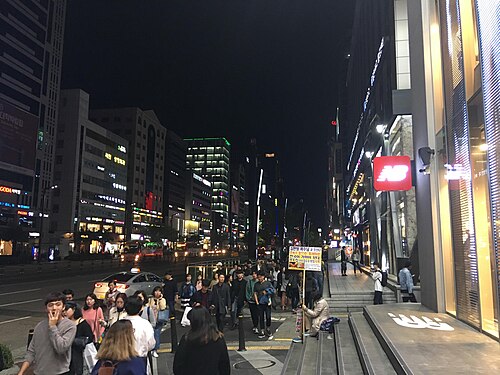
Gangnam Station is a busy subway hub surrounded by office towers, shops, restaurants and cafes. Visitors come to browse the shopping streets and eat around the station, and it is a convenient base for exploring the wider Gangnam district.
Lotte World Tower (Seoul Sky)
#14 · 롯데월드타워 · Sincheon-dong, Songpa-gu, southeast Seoul
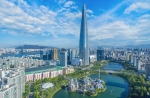
Seoul Sky is the observation deck at the top of Lotte World Tower, the tallest building in South Korea, with 360-degree views of Seoul from about 500 m. Visitors ride a high-speed elevator with screens on its walls, then enjoy thrill attractions, exhibits and coffee above the clouds.
Changdeokgung Palace and Huwon
#15 · 창덕궁 · Jongno-gu, central Seoul
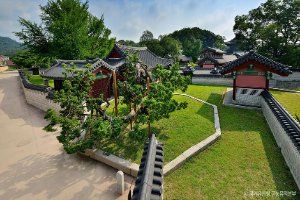
Changdeokgung is a Joseon palace built in 1404 as a royal villa, and it is known for its harmony with the surrounding hills. Visitors tour the palace buildings and the Huwon secret garden, and see a pine-shaped 700-year-old juniper tree that is a protected natural monument.
Itaewon
#16 · 이태원 · Yongsan-gu, central Seoul

Itaewon is a multicultural neighbourhood in Yongsan-gu, known for its mix of residents from many countries. Visitors browse its small shops for unusual clothing, accessories, furniture and crafts, and eat at the many international restaurants and cafés.
Namdaemun Market
#18 · 남대문시장 · Namdaemun-ro, Jung-gu, central Seoul

Namdaemun Market is one of Seoul's largest traditional markets, with thousands of stalls selling clothing, accessories, kitchenware, food and household goods. Visitors come to shop and to eat local specialties such as oxtail soup, the hairtail fish alley and knife-cut noodles.
COEX (Samseong)
#20 · 코엑스 · Samseong-dong, Gangnam-gu, southern Seoul

COEX is a large convention and exhibition complex with exhibition halls, meeting rooms, a concert hall and offices. Visitors come for its underground shopping mall and the Starfield library, and for the trade fairs and events held there.
Deoksugung Palace
#21 · 덕수궁 · Jung-gu, central Seoul
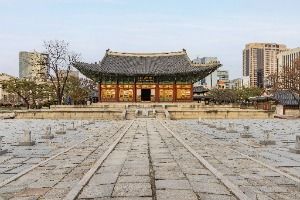
A palace in central Seoul that served as the imperial residence after 1897, when Korea proclaimed the Korean Empire. It mixes traditional Korean halls with Western-style buildings such as the Stone Hall, and visitors come to see the grounds and the changing of the guard ceremony.
Cheonggyecheon Stream
#25 · 청계천 · Jongno-gu, central Seoul
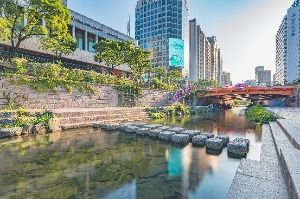
Cheonggyecheon is a 10.8 km stream that was restored from a covered road in the early 2000s and now runs through central Seoul. Visitors walk or sit along its banks, cross its 22 bridges, and often stop at Cheonggye Plaza, where cultural events are held.
Gwanghwamun Square
#26 · 광화문광장 · Jongno-gu, central Seoul
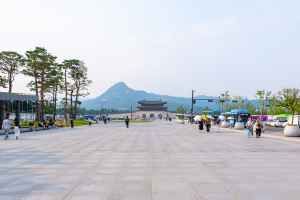
Gwanghwamun Square is a pedestrian plaza on Sejong-daero, the main avenue leading to Gyeongbokgung Palace. Its reconstructed stone terrace, restored haetae statue and model of the old Yukjo Street show the area's history, and it offers views toward Bukaksan and the palace.
Yeouido Hangang Park
#37 · 여의도한강공원 · Yeongdeungpo-gu, west Seoul

Yeouido Hangang Park sits along the Han River in Seoul's financial district and is easy to reach by subway or bus. It hosts a cherry blossom festival in spring and an international fireworks festival in autumn, and has a water plaza, fountains and a yacht marina.
Garosu-gil (Sinsa-dong)
#38 · 가로수길 · Gangnam-gu, southern Seoul
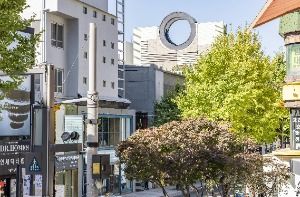
Garosu-gil is a tree-lined street in Sinsa-dong known for independent fashion boutiques, designer shops, beauty brands and cafés with a relaxed, European-style feel. It is a good place to browse trendy clothing and see pop-up stores, especially in the afternoon and evening.
Changgyeonggung Palace
#39 · 창경궁 · Jongno-gu, central Seoul

A palace first built in the 15th century for members of the royal family, later turned into a zoo and garden under Japanese rule and restored in the 1980s. Visitors walk its shaded grounds and royal halls, and many come in spring for the cherry blossoms.
Bukhansan National Park
#40 · 북한산국립공원 · Seongbuk-gu and Dobong-gu, north Seoul

A granite mountain park on the edge of Seoul, with dramatic rock peaks such as Insubong and Manjangbong and many clear valleys. Hikers come for the trails and city views, which are easy to reach by bus or subway.
National Museum of Korea
#43 · 국립중앙박물관 · Yongsan-gu, central Seoul

The National Museum of Korea, which moved to Yongsan and opened in 2005, is one of the country's largest museums. Its seven permanent galleries are arranged by era and theme and display nearly 10,000 artifacts, with rotating special exhibitions alongside.
Samcheong-dong
#45 · 삼청동 · Jongno-gu, central Seoul
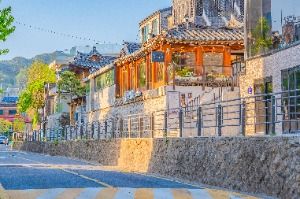
Samcheong-dong is a neighborhood where traditional hanok houses stand beside galleries, cafes, small museums and antique shops along narrow lanes. Visitors come to wander the quiet paths, enjoy the mix of old architecture and contemporary art, and take a relaxed walk away from the busy center.
Seoul Forest
#47 · 서울숲 · Seongdong-gu, east Seoul
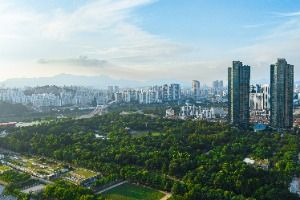
Seoul Forest is a large urban park along the Han River, built on the former Ttukseom sports grounds and opened in 2005. It is divided into an arts park, a learning garden, an ecological forest and a wetland, and it was the first park in Seoul built with citizen participation.
Jongmyo Shrine
#49 · 종묘 · Jongno-gu, central Seoul
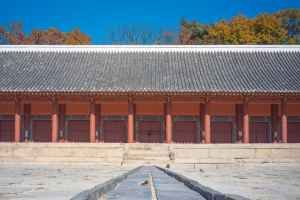
Jongmyo is the royal ancestral shrine of the Joseon dynasty, where the spirit tablets of past kings and queens are enshrined and rites are still performed. Its long main hall and the nearby Yeongnyeongjeon hall are the main sights, and guided tours explain the ceremonies.
Neighbourhoods by interest
Food and markets
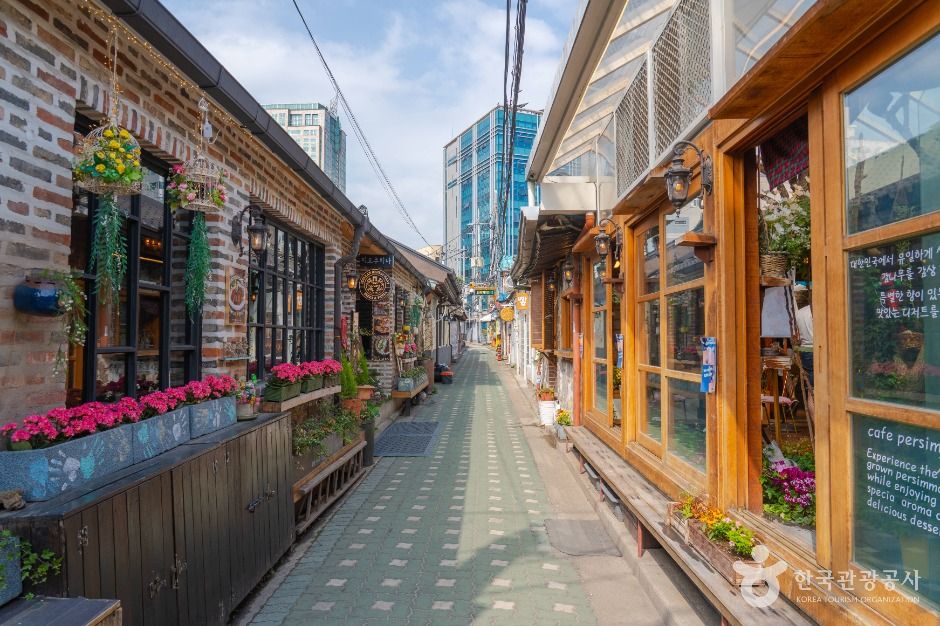 Ikseon-dong익선동Narrow alleys of low hanok houses turned into cafes, small restaurants and shops, tucked…
 Insadong인사동One long street of traditional teahouses, calligraphy shops and craft stores, with an…
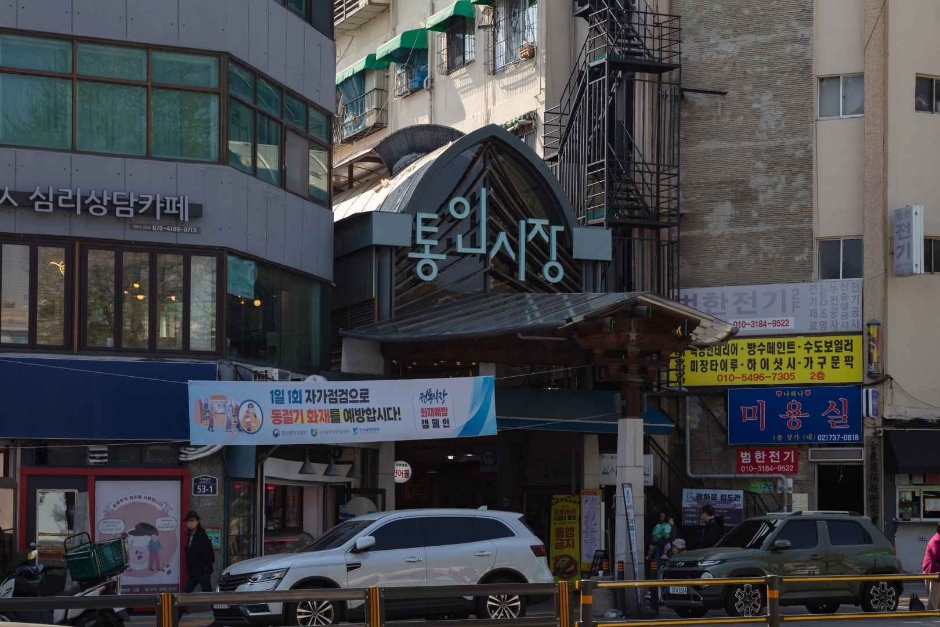 Seochon서촌A calm residential area west of Gyeongbokgung, with old lanes, small galleries and…
 Myeongdong명동Crowded shopping streets packed with cosmetics stores, fashion shops and street food…
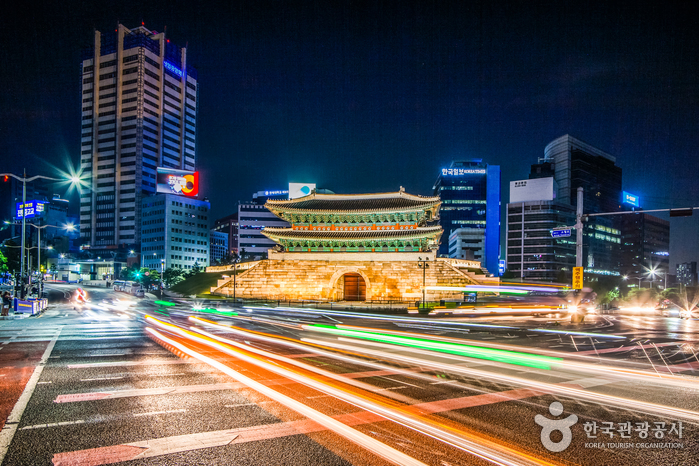 Namdaemun & Seoul Station남대문 서울역Seoul's old south gate beside a huge traditional market, with the main train station and…
 Euljiro (Hipjiro)을지로Old print shops, metal workshops and lighting stores sit beside retro bars and cafes…
Cafés and shopping
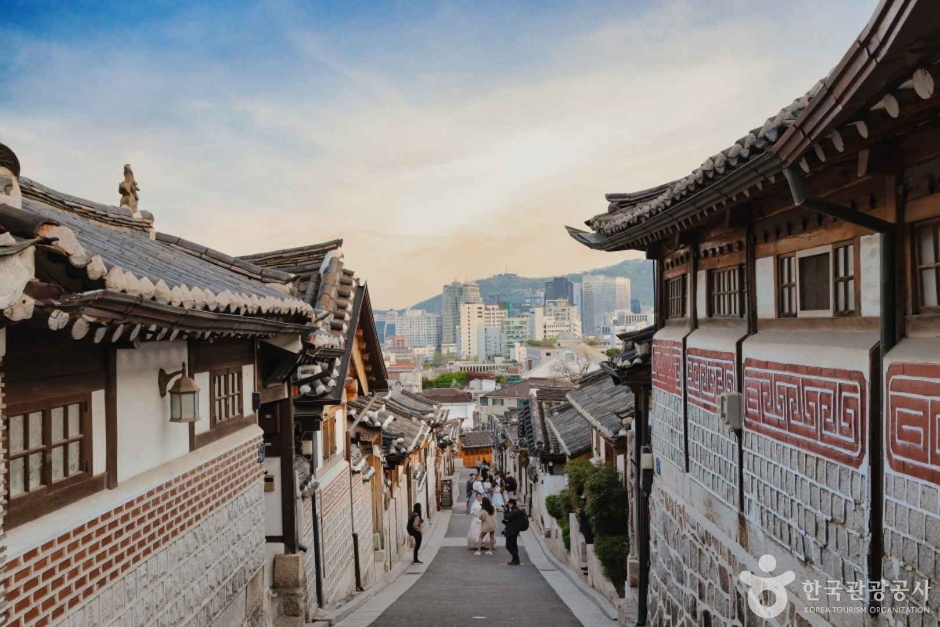 Bukchon & Samcheong-dong북촌 삼청동Sloping lanes of tile-roofed hanok houses with the city skyline behind them, and quiet…
- Ikseon-dong익선동Narrow alleys of low hanok houses turned into cafes, small restaurants and shops, tucked…
- Insadong인사동One long street of traditional teahouses, calligraphy shops and craft stores, with an…
- Seochon서촌A calm residential area west of Gyeongbokgung, with old lanes, small galleries and…
- Myeongdong명동Crowded shopping streets packed with cosmetics stores, fashion shops and street food…
- Namdaemun & Seoul Station남대문 서울역Seoul's old south gate beside a huge traditional market, with the main train station and…
History and culture
 Gyeongbokgung & Gwanghwamun경복궁 광화문Wide royal courtyards backed by Bugaksan mountain, with Gwanghwamun Square and broad…
- Bukchon & Samcheong-dong북촌 삼청동Sloping lanes of tile-roofed hanok houses with the city skyline behind them, and quiet…
- Insadong인사동One long street of traditional teahouses, calligraphy shops and craft stores, with an…
- Seochon서촌A calm residential area west of Gyeongbokgung, with old lanes, small galleries and…
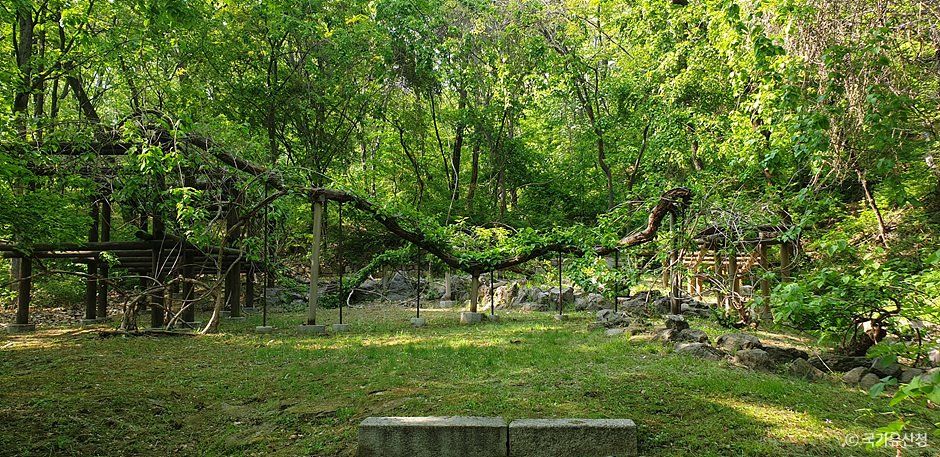 Changdeokgung & Changgyeonggung창덕궁 창경궁Two quiet palaces with wooded grounds, ponds and pavilions, set in the east of old Seoul.
- Namdaemun & Seoul Station남대문 서울역Seoul's old south gate beside a huge traditional market, with the main train station and…
Nightlife and K-pop
- Euljiro (Hipjiro)을지로Old print shops, metal workshops and lighting stores sit beside retro bars and cafes…
 Dongdaemun & DDP동대문 DDPA curved silver design building next to huge fashion markets and old fortress walls,…
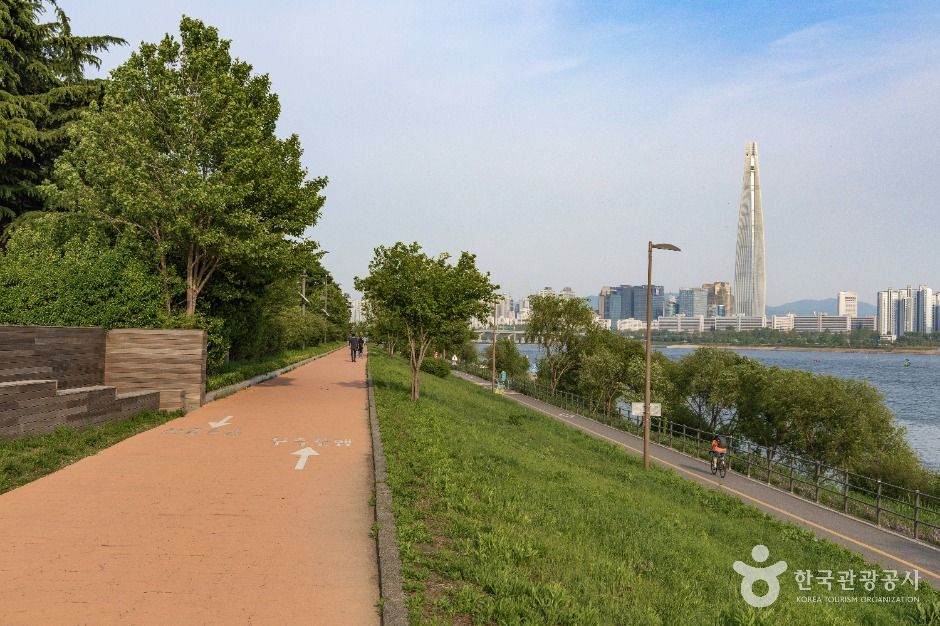 Konkuk University (Kondae) & Ttukseom건대입구 뚝섬A youthful university district of food streets and bars, with a riverside park on the Han…
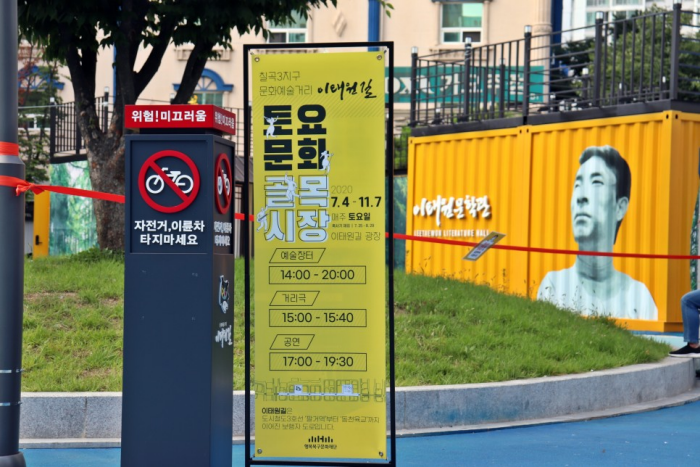 Itaewon이태원Seoul's most international neighbourhood, with restaurants from around the world,…
 Apgujeong & Cheongdam압구정 청담Upmarket fashion streets, flagship stores and polished cafes, with many K-pop…
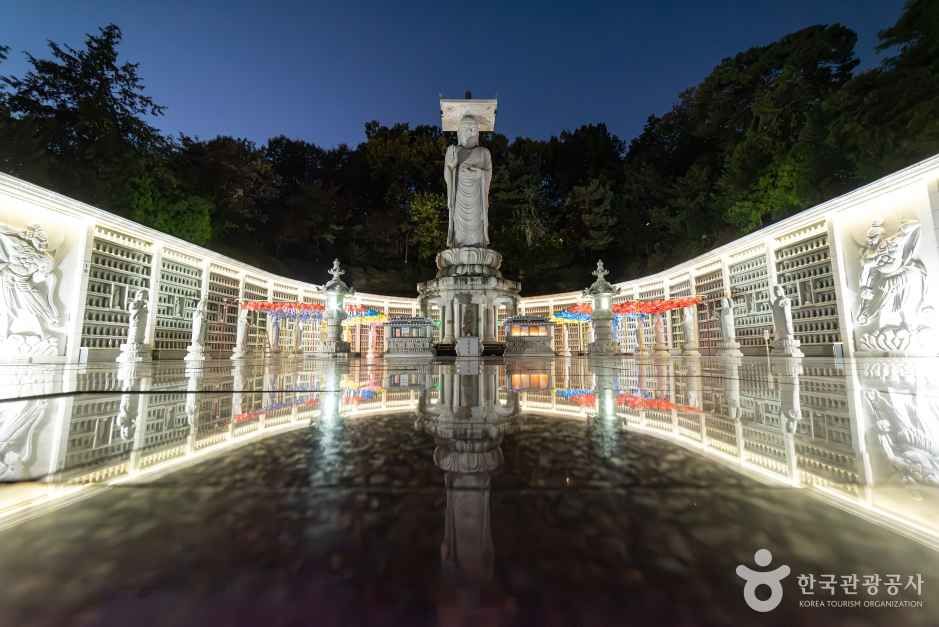 Samseong & COEX (with Bongeunsa)삼성동 코엑스 봉은사A big underground mall and aquarium across the road from a working Buddhist temple, among…
Nature and a slow day
- Changdeokgung & Changgyeonggung창덕궁 창경궁Two quiet palaces with wooded grounds, ponds and pavilions, set in the east of old Seoul.
 Yeonnam-dong연남동A relaxed residential area of small cafes and restaurants along a tree-lined former…
 Yeouido여의도A flat river island of office towers, a long riverside park and broad plazas, with cherry…
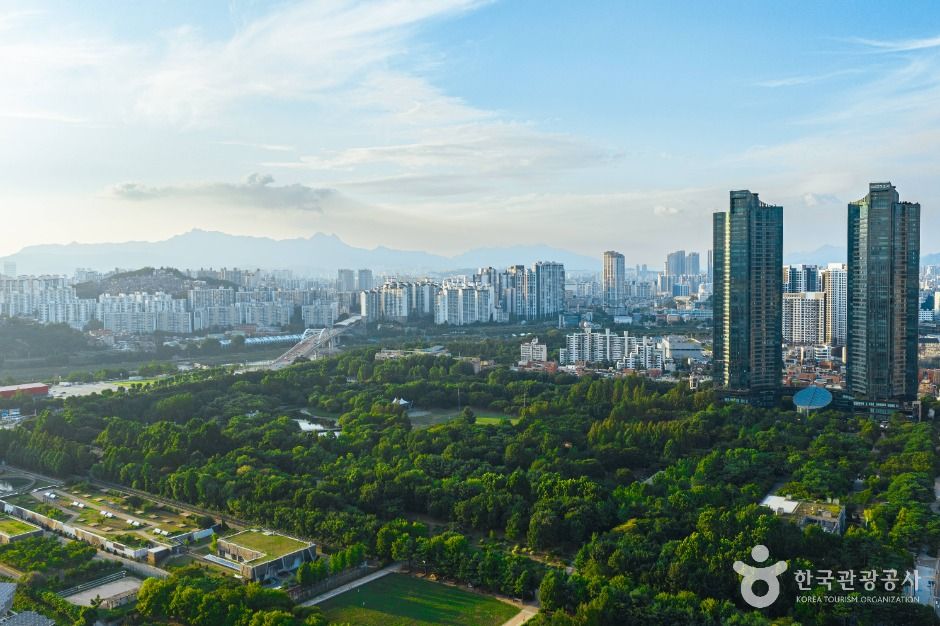 Seoul Forest서울숲A large green park beside the Han River with open lawns, ponds and tree-lined paths, good…
- Konkuk University (Kondae) & Ttukseom건대입구 뚝섬A youthful university district of food streets and bars, with a riverside park on the Han…
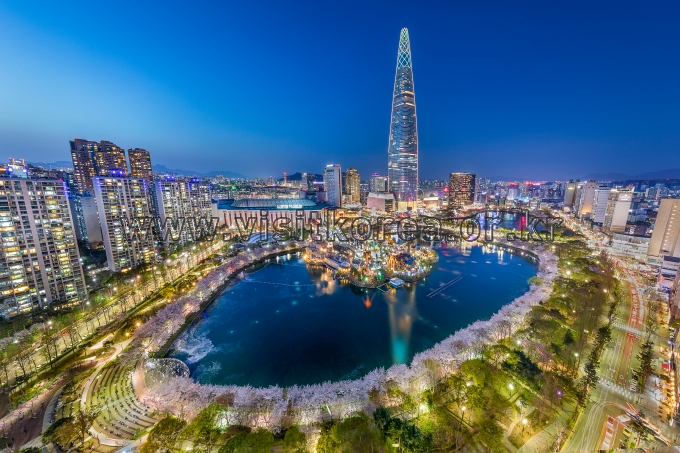 Jamsil (Lotte World & Seokchon Lake)잠실 롯데월드 석촌호수A lakeside area with a theme park and Korea's tallest tower, good for evening strolls and…
On in Seoul in October
- Dongdaemun Festival: 03/10
- Youth Mike Festival: 03/10
- Korean Dream Hangang Festival: 03/10
Plan your days
Day-by-day itineraries
From the airport
Incheon Airport to each neighbourhood of Seoul
Getting there from other cities
Questions
What is the number one thing to do in Seoul?
Myeongdong is the most visited place in Seoul by foreign travellers in our ranking. Myeongdong is a dense shopping district around the Line 4 Myeongdong station, with department stores, brand shops, and cheap fashion boutiques lining the main street and side alleys. Visitors come to shop for clothing, shoes, and accessories, and to eat at the many Korean, Western, and Japanese restaurants and street food stalls nearby.
How many days do you need in Seoul?
Three days cover the palaces, markets and main neighbourhoods; five let you add Gangnam, the Han River and a day trip such as the DMZ.
What can you do in Seoul at night?
Good evening areas include Ikseon-dong, Insadong, Seochon, Myeongdong.